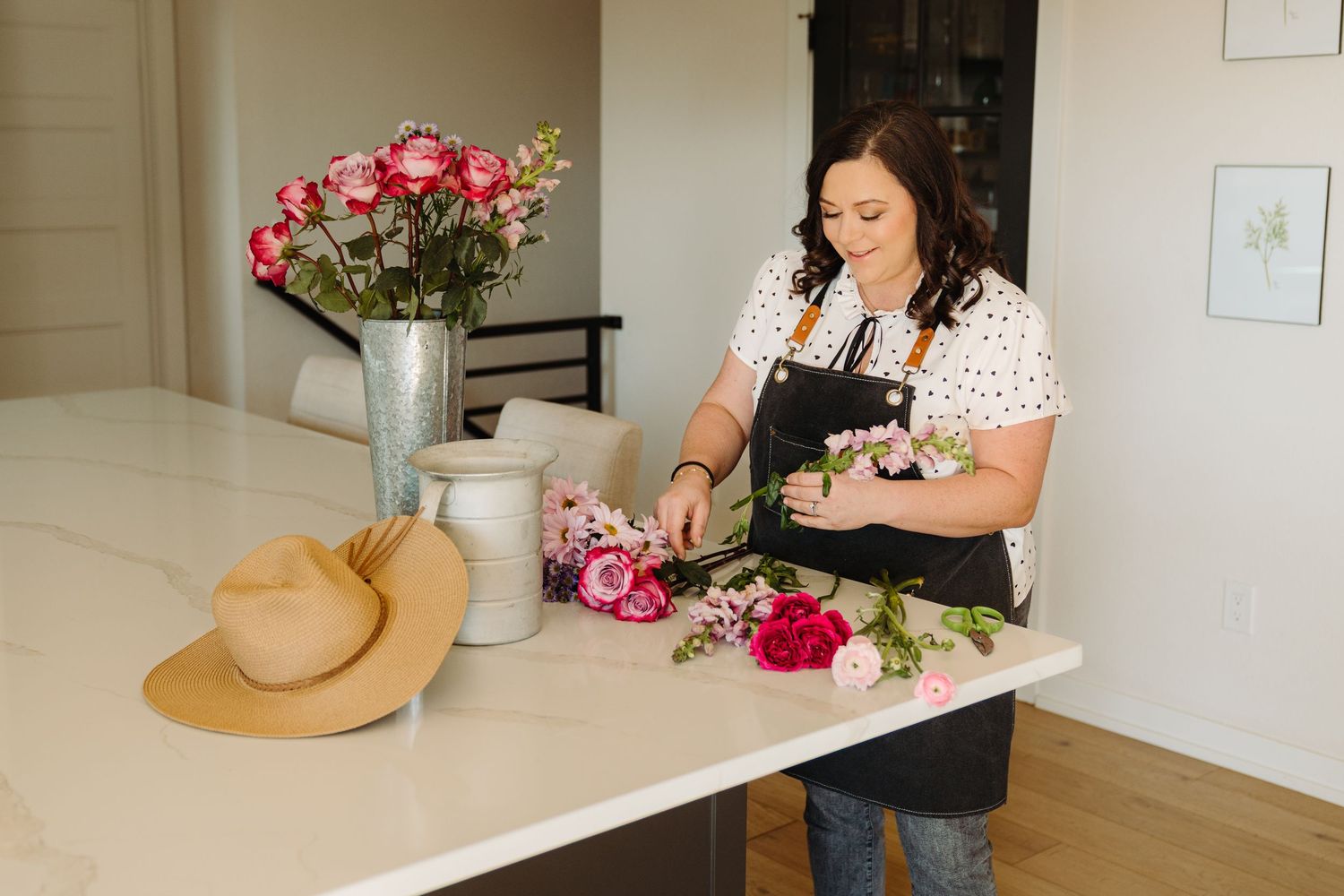
Hi! I'm Kristin McGlone, a brand and family photographer working out of Conifer, Colorado, serving Denver, Littleton, Lakewood, Evergreen, Morrison, Pine, Bailey, and the surrounding foothills. One question comes up in almost every discovery call: do I need professional hair and makeup for my session. Here's the real answer, not the generic one.
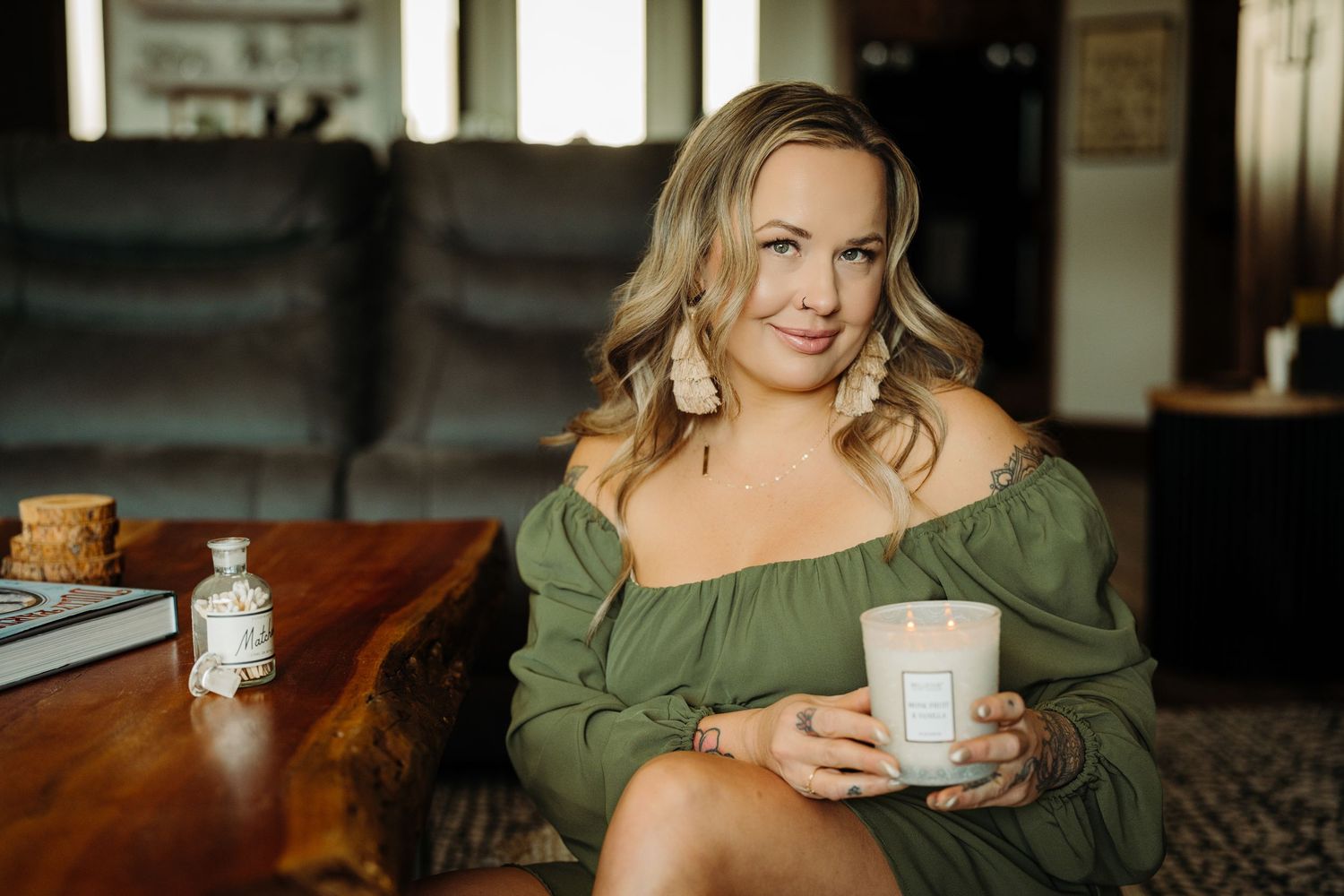
Why I Recommend Professional Hair and Makeup
I don't recommend it because everyone tells you to. I recommend it because of what a camera actually does to your face, which is different from what a mirror or a phone camera does. Bright, direct light, whether that's natural light pouring into a client's office or a studio setup, flattens texture in some places and exaggerates it in others. A professional artist knows how to work with that light, not against it, so what you see in your gallery looks like your best, most rested version of yourself instead of a flatter, tireder one.
It's not about covering you up. It's about making sure the camera sees what your eyes already see when you look in the mirror on a good day.
I had a client, more natural minded, who opted out of hair and makeup for her Beacon session. Looking back at her photos later, she wished she had done a little more. Not a full glam transformation, just camera ready. I see this most with clients who lean natural and skip the makeup altogether. Coming in with a bare face versus coming in with camera ready makeup and a little contouring, it's a huge difference in how the images turn out. We shot her session in her office, which gets beautiful natural light, and even in that soft, flattering light, going without some definition on your face can leave you looking washed out in a way that surprises people when they see the final gallery.
When I Tell Someone NOT to Hire a Hair and Makeup Artist
Here's the part most photographers won't say out loud. If your everyday look is part of your brand, if your audience knows you without a full face of makeup and that's exactly why they trust you, then adding glam can work against you. I've had clients whose whole brand is built on approachable and unpolished. For them, professional makeup would feel like a costume, and it would show. In those cases, I tell them to skip it, or to book an artist just for camera-ready basics instead of a full glam look.
The goal is always alignment with who you actually are in your business, not some one size fits all look that's supposed to work for everyone.
Everyday Makeup vs Camera-Ready vs Soft Glam vs Full Glam
If you've never had professional photos taken, these terms probably sound interchangeable. They're not.
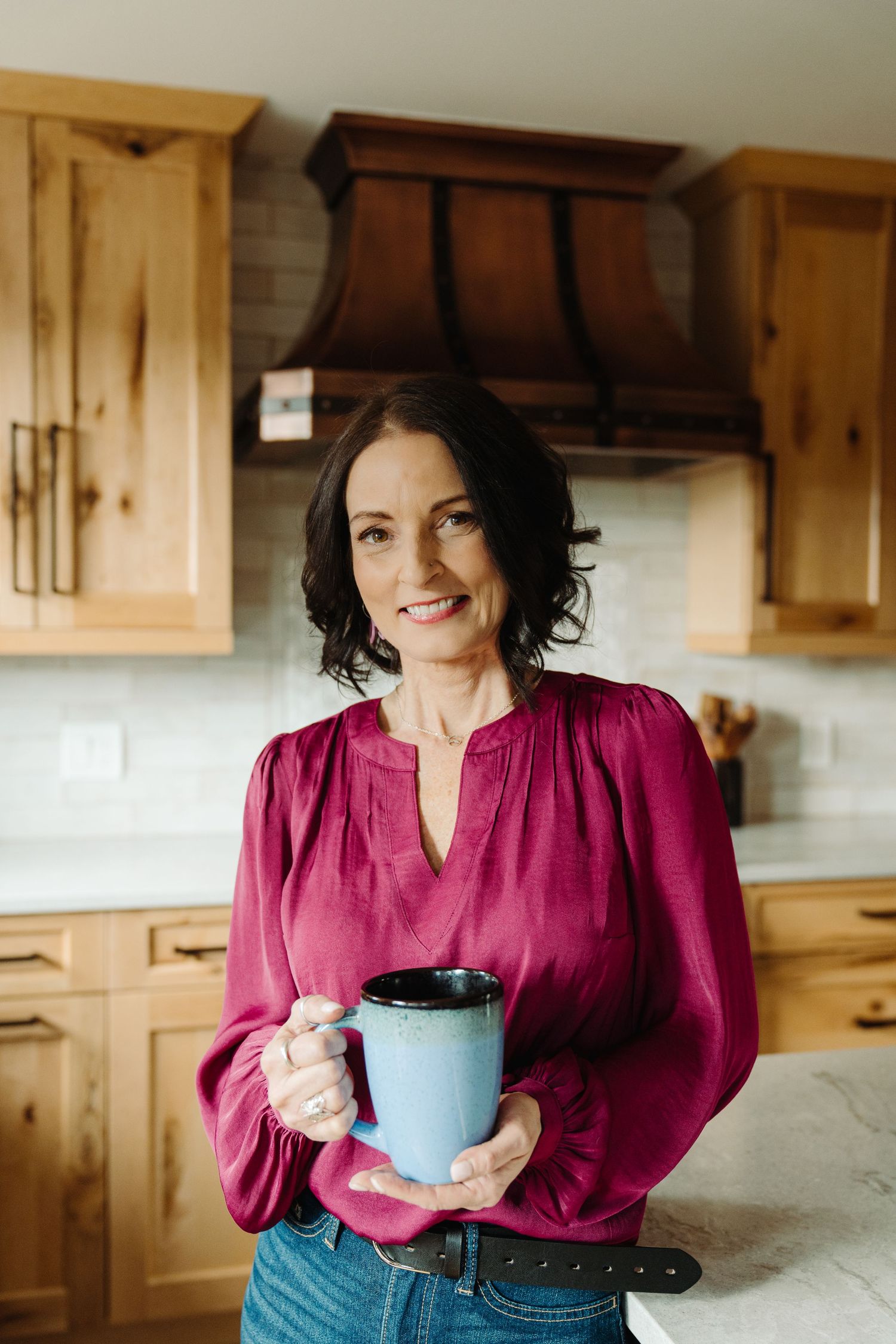
- Everyday makeup is what you'd wear to run errands or work from home. Light coverage, minimal definition. Fine for casual content, not built to hold up under bright light and a camera lens for two hours.
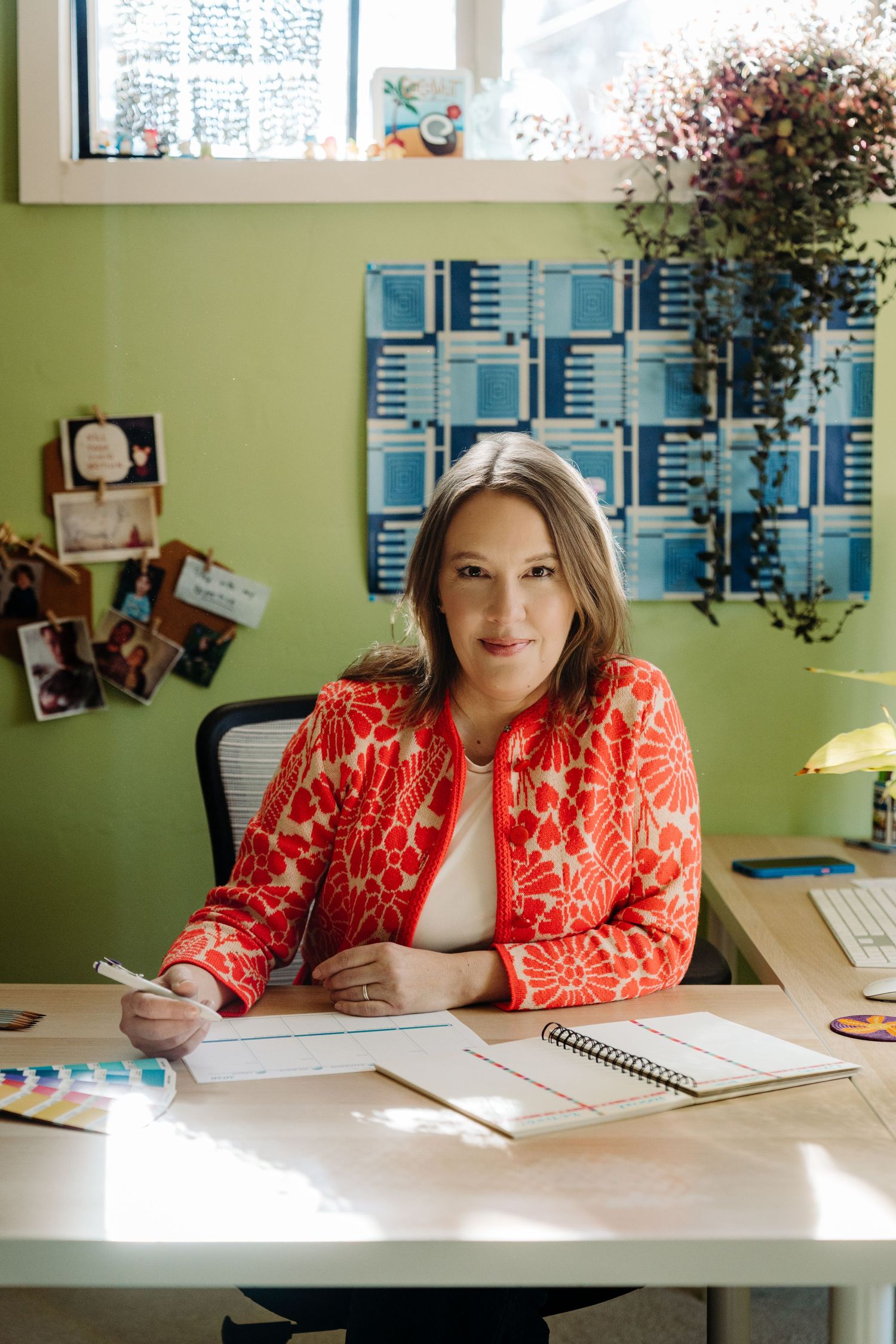
- Camera-ready is your everyday look, refined. Slightly more coverage, a bit more definition around the eyes and brows, powder to control shine. This is the baseline I recommend for almost every branding session.
- Soft glam adds warmth and dimension. Think a little more contour, a little more lash, a lip that reads on camera from across the room. Polished but still clearly you.
- Full glam is what you'd see on a stage or a red carpet. Bold contour, dramatic lash, statement lip. Beautiful for certain brands, too much for others.
Most of my branding clients land somewhere between camera-ready and soft glam.
Mistakes I See Most Often
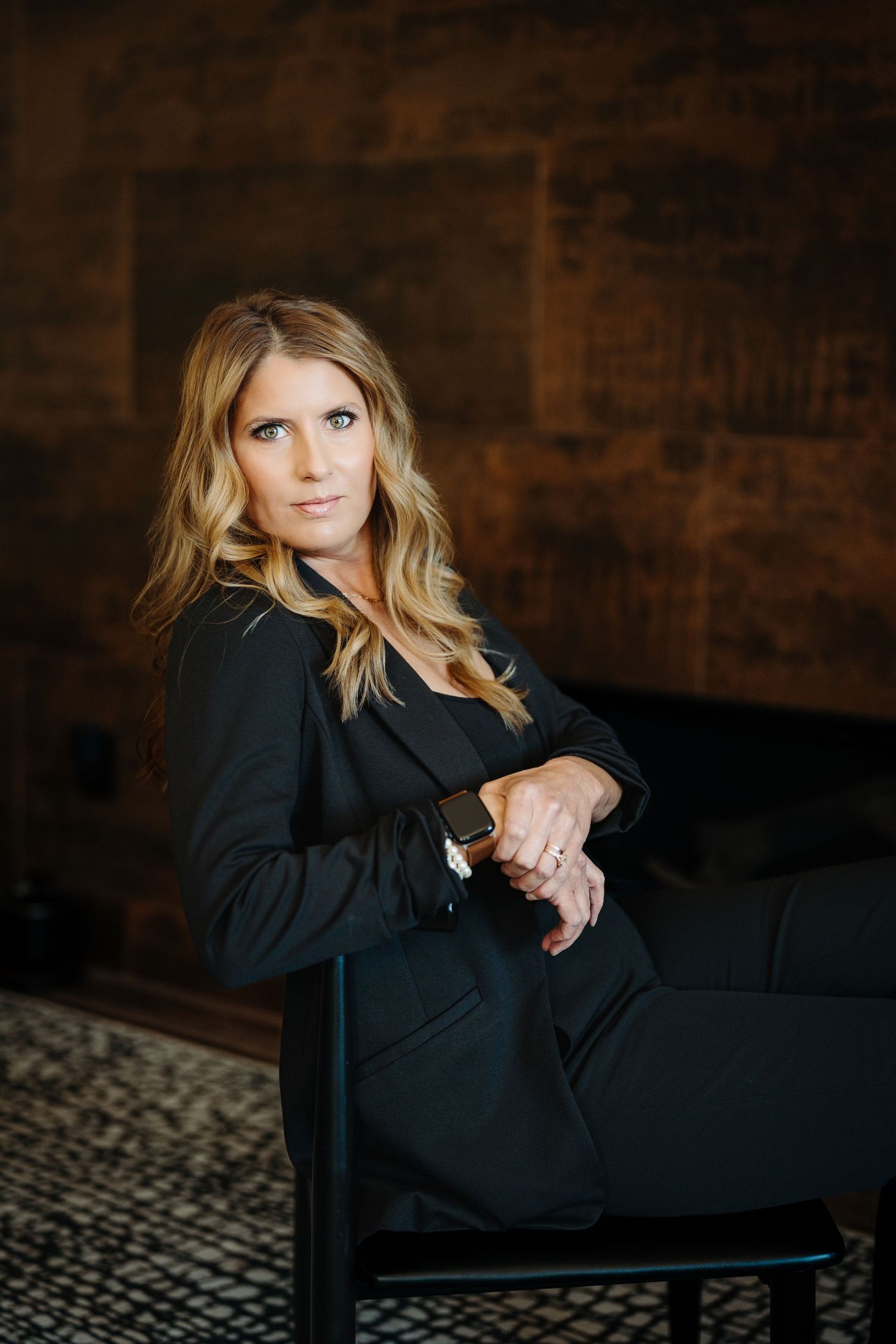
A few patterns show up again and again, and almost all of them are fixable with the right artist.
- Heavy SPF that flashes back white or grey under bright light and camera flash.
- Shimmer in the wrong places, which reads as shine or sweat on camera instead of glow.
- Hair that's styled beautifully for hour one and falls flat by hour two, especially without the right prep or products.
- DIY lash strips that start lifting at the outer corner halfway through the shoot.
- Not enough contrast on camera, so features that are clear in person read as flat or washed out in photos.
None of these are about doing more. They're about doing the right things for a camera instead of for a mirror.
How Makeup Actually Affects Photography
Here's the thing nobody really explains to you before your first session. A camera doesn't see you the way a mirror does, and it definitely doesn't see you the way you see yourself. It kind of flattens everything out. All that natural shadow and depth your face has in real life, the stuff that makes you look like you, some of that just doesn't translate the same way once it's a photo. So camera-ready makeup isn't about piling more on. It's really just about giving the camera a little bit of what it needs to still see you clearly, instead of a slightly washed out, flatter version of you.
Most people don't even notice this until they're scrolling through their own gallery going, wait, why do I look tired here, when I felt great that day.
If You Wear Almost No Makeup
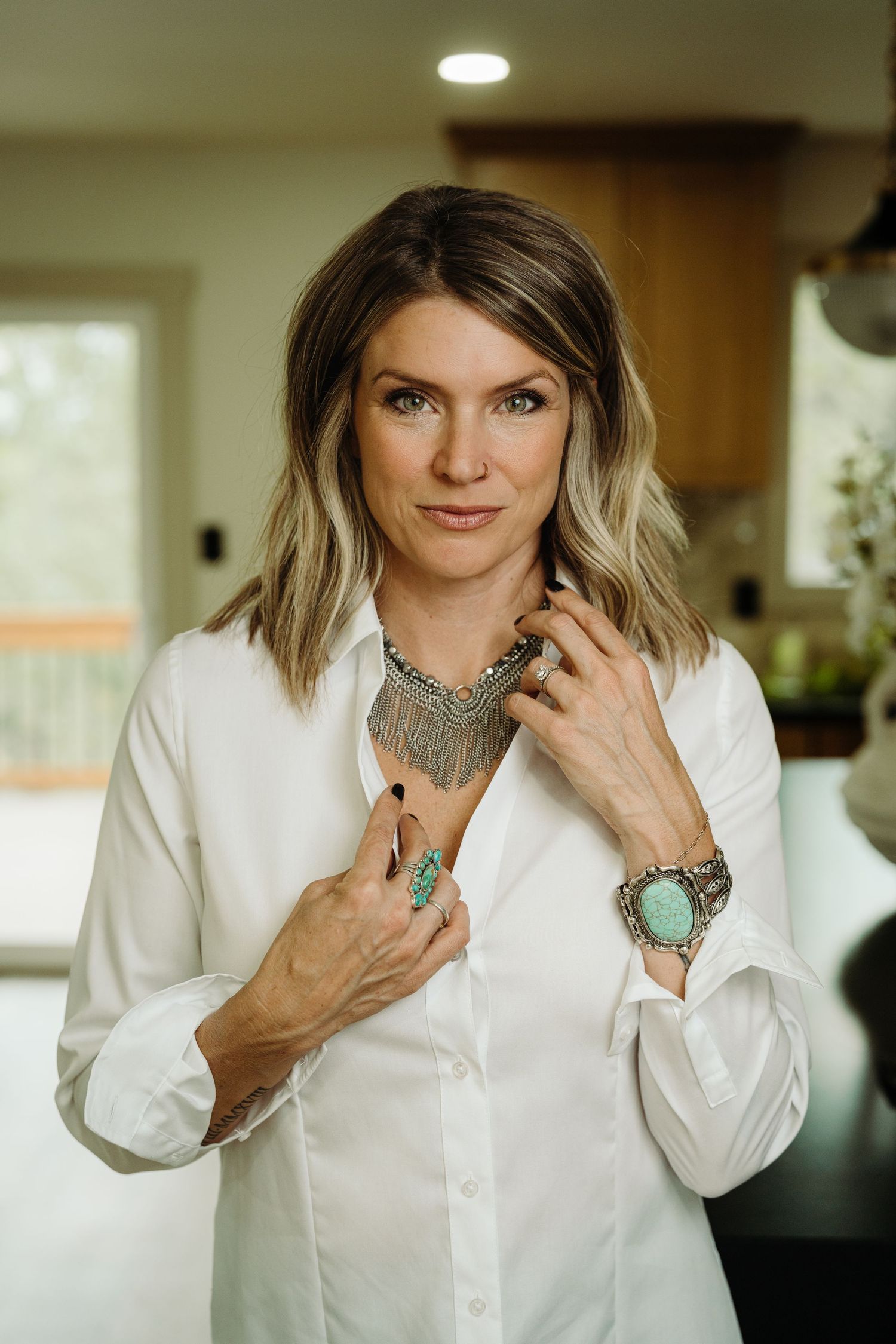
This one matters to me because it speaks directly to my more holistic, natural-leaning clients. If your everyday routine is minimal or nonexistent, I never push you toward a full transformation. I recommend the lightest version of camera-ready: tinted moisturizer or light foundation, a touch of definition on the brows and lashes, and powder to manage shine under bright light. That's it. You'll still look like yourself, just slightly translated for the camera.
If You Hate Wearing Makeup
Here's what I'd tell you over coffee. You don't have to wear makeup to have a beautiful, effective branding session. What matters more is confidence and connection, and those come from feeling like yourself, not from a made-up face. If makeup makes you feel less like you, we skip it or scale it back to almost nothing. I would rather have a genuine, connected photo of the real you than a technically perfect photo of someone who feels like a stranger in their own skin.
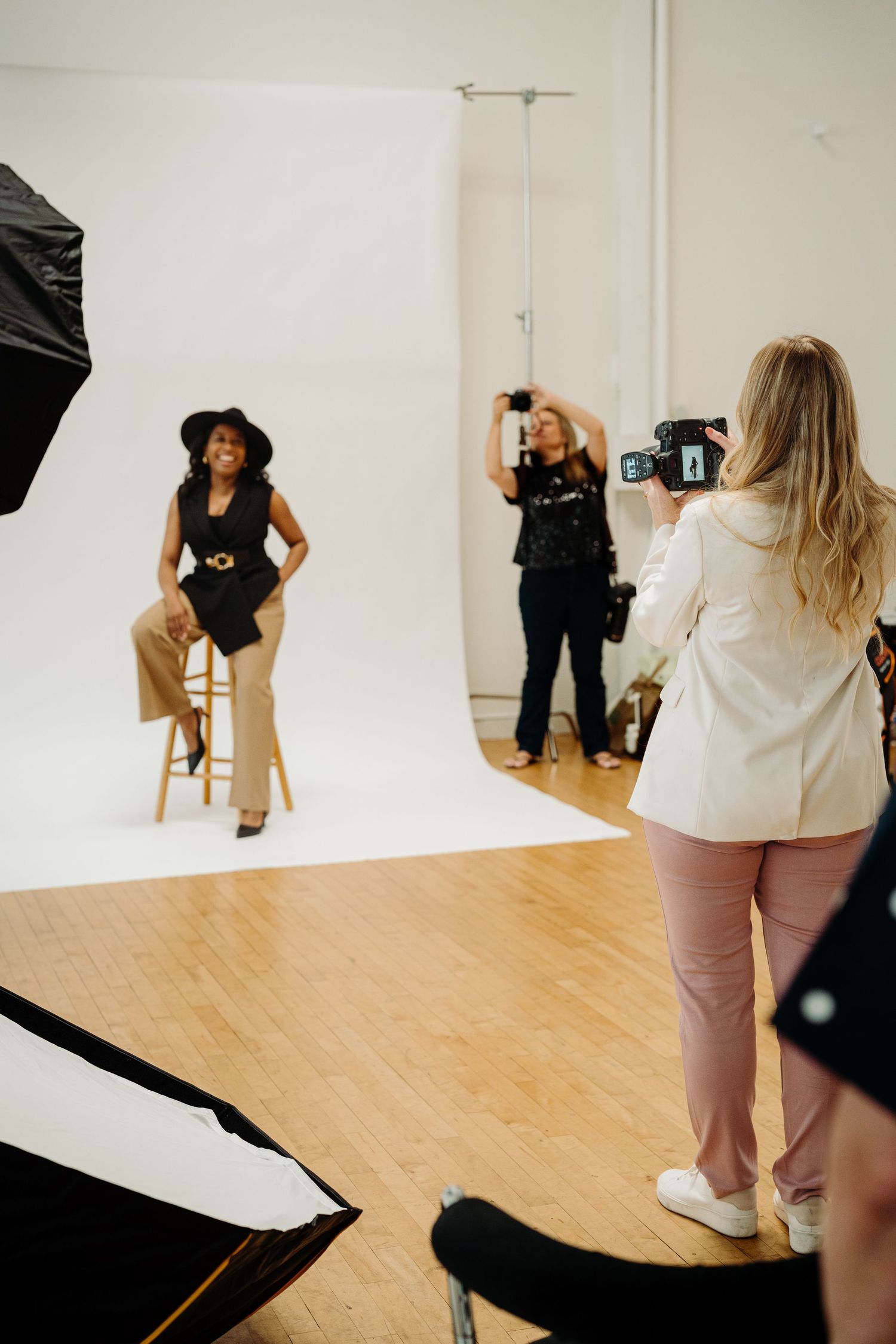
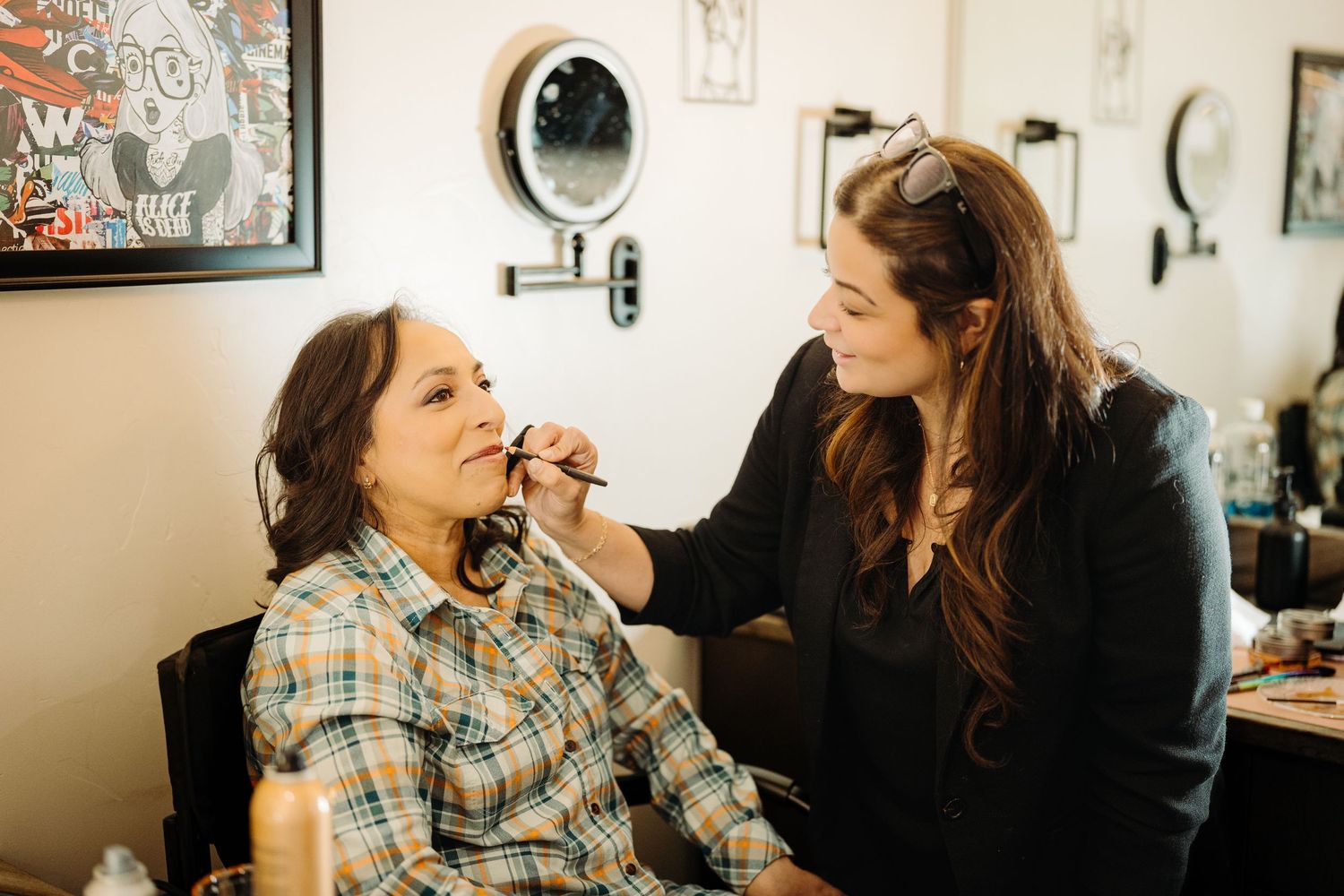
By the time most of my clients are sitting in the makeup chair, something has already changed for them. They've committed to this. They're getting glammed up, and they can feel themselves looking beautiful, and that alone takes a lot of the nerves out of it. I don't have to talk anyone into confidence at that point. I just get to remind them how good they look and tell them they're about to shine.
How to Choose an Artist for Branding Photography
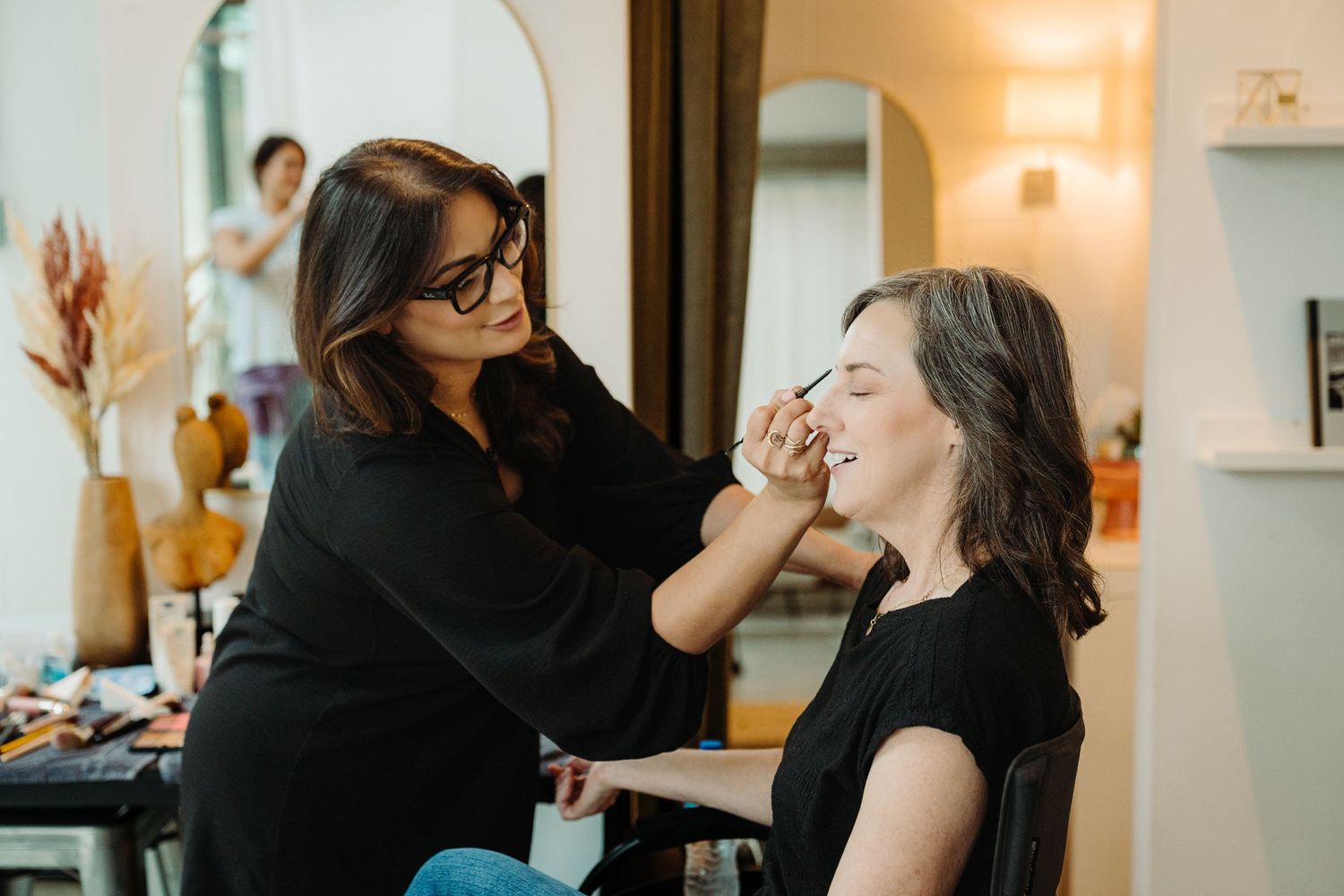
Not every talented hair and makeup artist is the right fit for a branding session. Look for someone who has specific experience with photography, not just events or weddings, because camera-ready technique is different from in-person glam. Ask to see their portfolio of branding or headshot work specifically. And look for someone who asks you questions before your session, about your brand, your comfort level, your everyday style, rather than someone who shows up with one look and applies it to everyone.
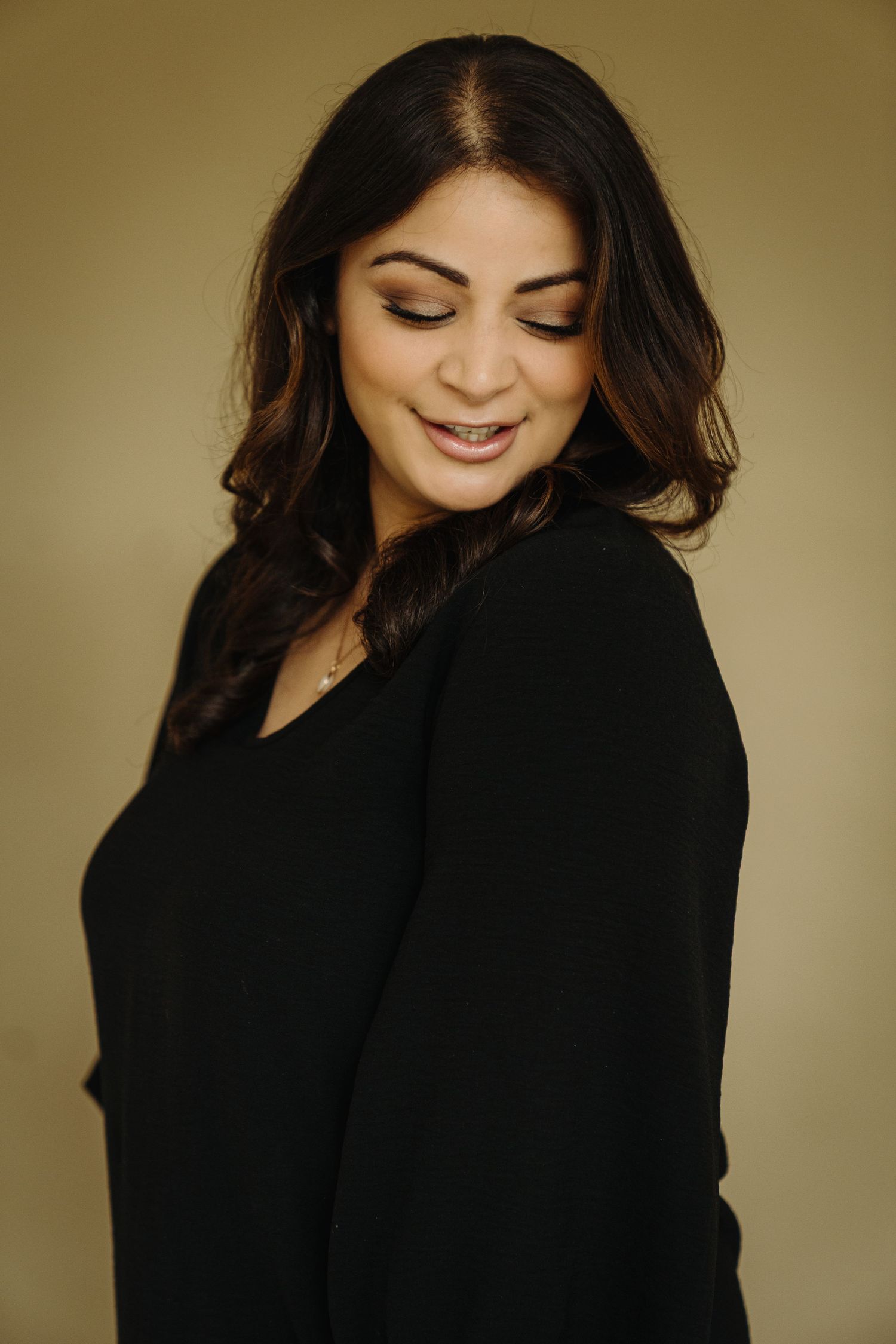
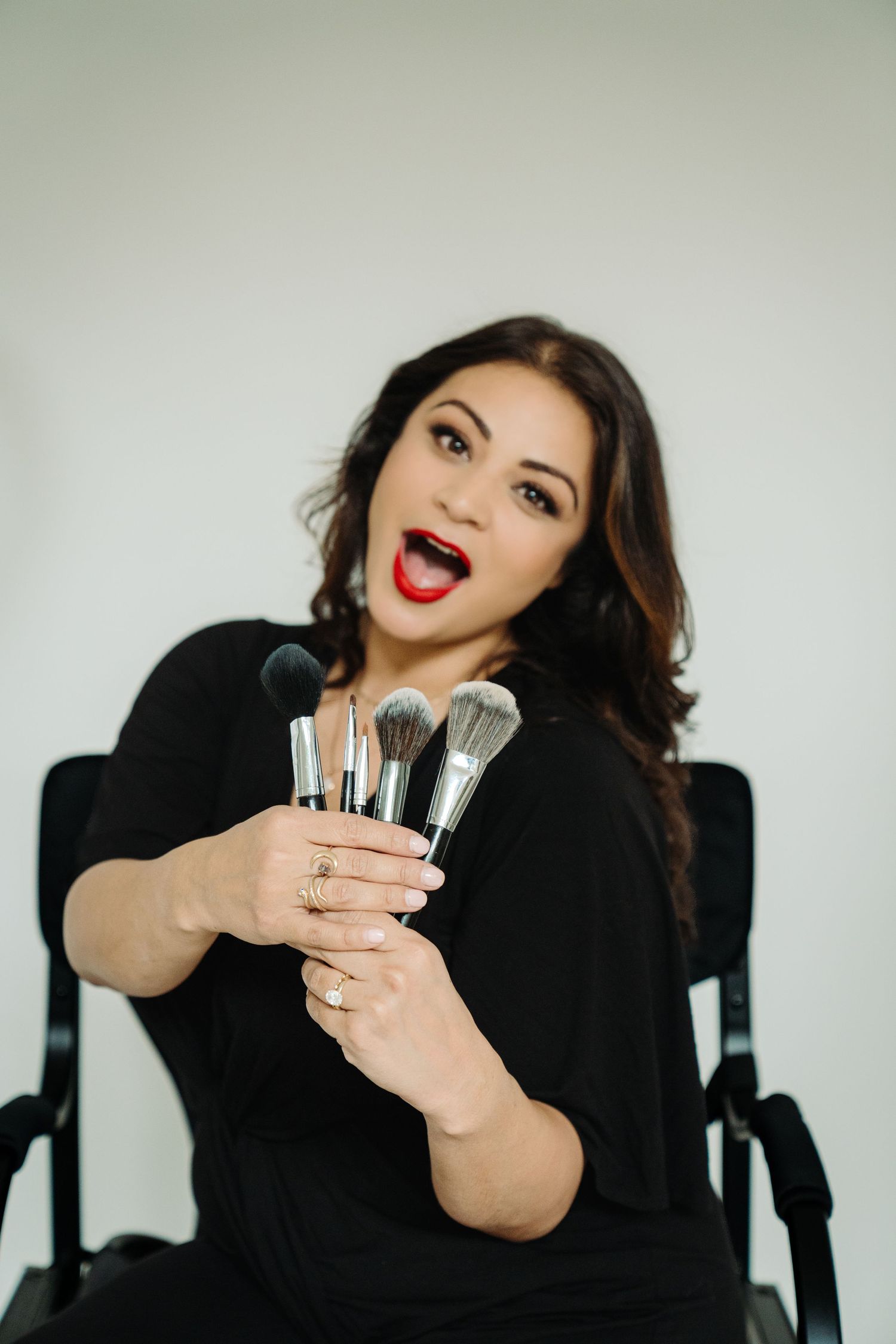
I work regularly with Melissa Holtzclaw of Alpine Beauty for exactly this reason. She understands what the camera needs, not just what looks good in the chair. And after working together as much as we have, she also knows my editing style now, so the makeup she does actually complements how I edit, not just how the photo looks straight out of camera. That kind of consistency isn't something you get from someone you're hiring for the first time.
If You Only Have Budget for One
If I had to choose, I'd choose makeup over hair almost every time. Makeup has the bigger visible impact on camera, especially under bright, direct light where skin texture, shine, and contrast matter most. Hair matters, but a good stylist can often achieve a polished look with the right products and a blow dryer at home. If budget allows for neither, that's genuinely fine too. Come as you are, and we'll work with great light and good direction to get images that still feel true to you.
My Own Experience on the Other Side of the Camera
I've had my makeup done heavier than I would normally wear it, for weddings, and it felt vulnerable in the moment. Looking back at those photos later, I could see how well it photographed. It wasn't too much for the camera, even though it felt like a lot sitting in the chair. More recently, Melissa did my makeup for my own branding session last year, and I loved it. It's a good reminder that what feels like too much in the mirror often reads exactly right on camera, and the artist you trust matters as much for you as it does for your clients.
What I Want Every Client to Remember
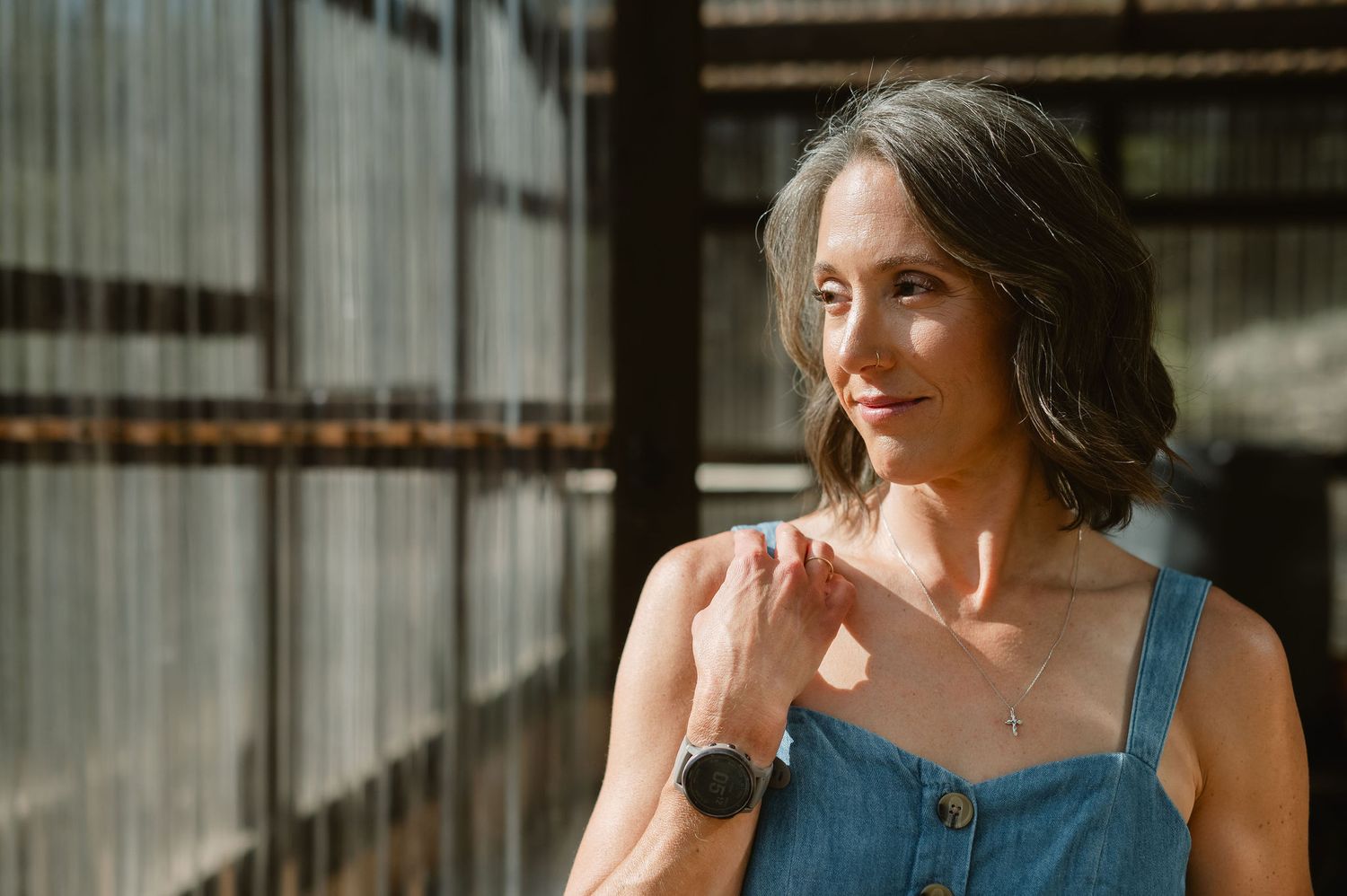
If you forget everything else in this post, remember this. The goal isn't to look like someone else on your best day. The goal is to look like yourself on your best day.
Rooted in story, lit by purpose, and that includes how you show up in front of the camera. Ready to plan your session? Reach out and let's talk through what feels right for you.